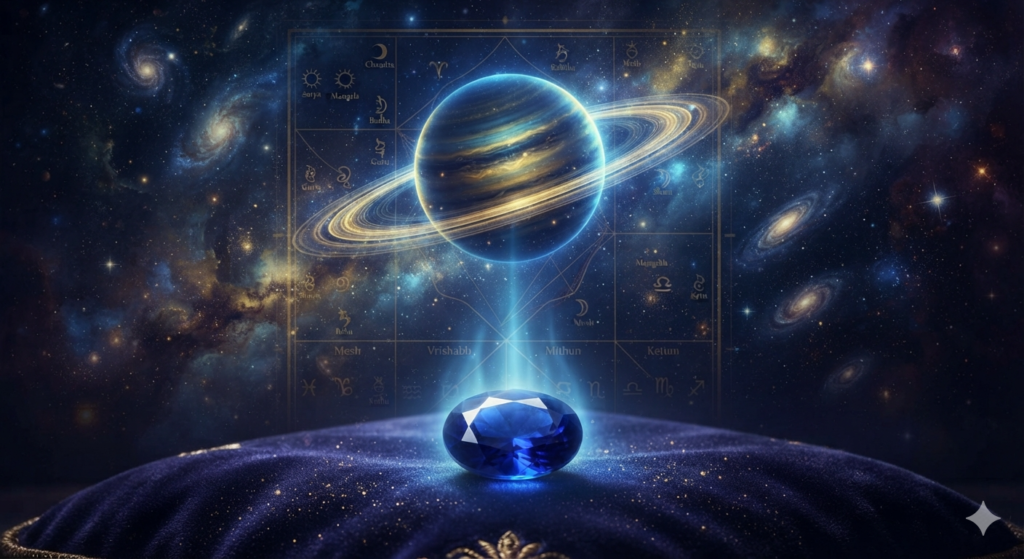
Few gemstones command as much respect and curiosity as the Blue Sapphire Stone, known in Vedic astrology as Neelam. Prized for its deep royal-blue hue and its powerful association with the planet Saturn (Shani), this gemstone has fascinated royalty, collectors, and spiritual seekers for centuries.
Whether you’re considering Blue Sapphire for its astrological benefits, its stunning beauty, or simply as an investment-worthy gem, this guide covers everything a beginner needs to know — from its origins and properties to how to identify a genuine stone and what to expect in terms of pricing.
What is Blue Sapphire Stone?
Blue Sapphire is a precious gemstone variety of the mineral corundum, composed of aluminum oxide (Al₂O₃). Its signature blue color comes from trace elements of iron and titanium present during its formation deep within the earth.
In Vedic astrology, Blue Sapphire is called Neelam Stone, and it is considered one of the most powerful — and fastest-acting — gemstones, capable of bringing rapid change (positive or negative) into a wearer’s life.
History and Origin
Blue Sapphires have been treasured since antiquity. Ancient Persians believed the sky was reflected blue by a giant sapphire the earth rested upon. Medieval clergy wore sapphires to symbolize Heaven, and European royalty used them in crowns and engagement rings — the most famous being Princess Diana’s (now Kate Middleton’s) sapphire engagement ring.
Historically, the finest sapphires came from Kashmir (India), followed by Ceylon (Sri Lanka), Burma (Myanmar), and later Madagascar and Australia.
Physical and Chemical Properties
Property
Detail
Mineral Group
Corundum
Chemical Composition
Aluminum Oxide (Al₂O₃) with Fe & Ti traces
Hardness (Mohs Scale)
9
Color
Blue (light to deep royal blue)
Crystal System
Trigonal
Refractive Index
1.762–1.770
Specific Gravity
3.95–4.03
Luster
Vitreous
Blue Sapphire Stone Meaning and Symbolism
Blue Sapphire symbolizes wisdom, truth, focus, and discipline. Historically associated with royalty and divine favor, it is believed to bring clarity of thought and protect the wearer from negative energies while sharpening decision-making abilities.
Blue Sapphire Stone Benefits
May promote mental clarity and focus
Believed to support career growth and discipline
Associated with financial stability in traditional belief systems
Thought to calm an overactive mind
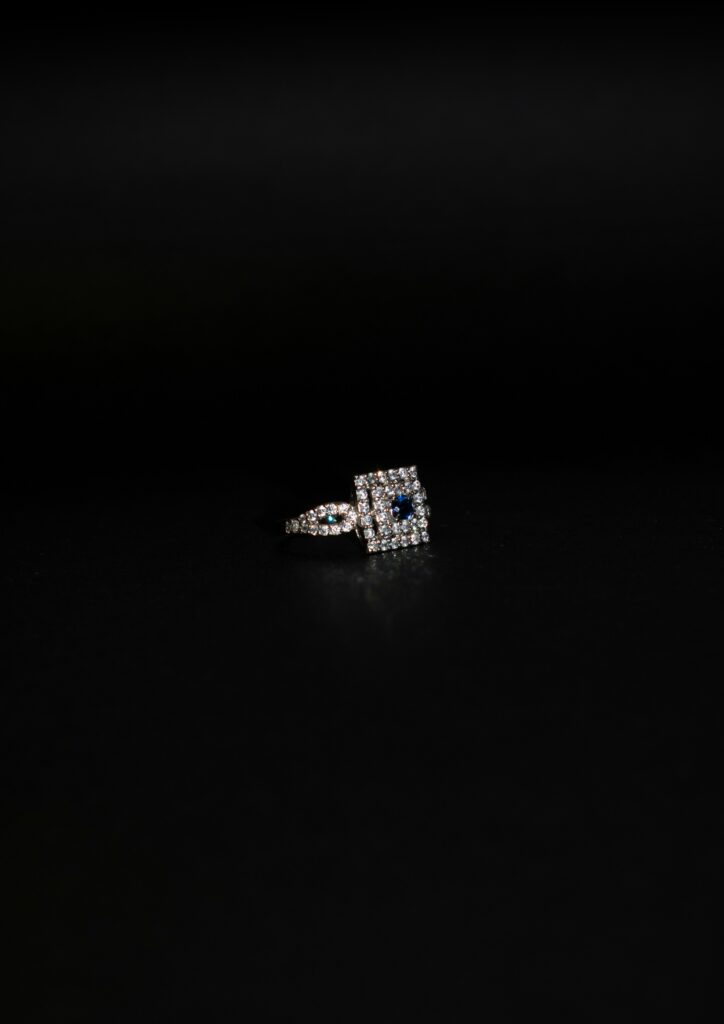
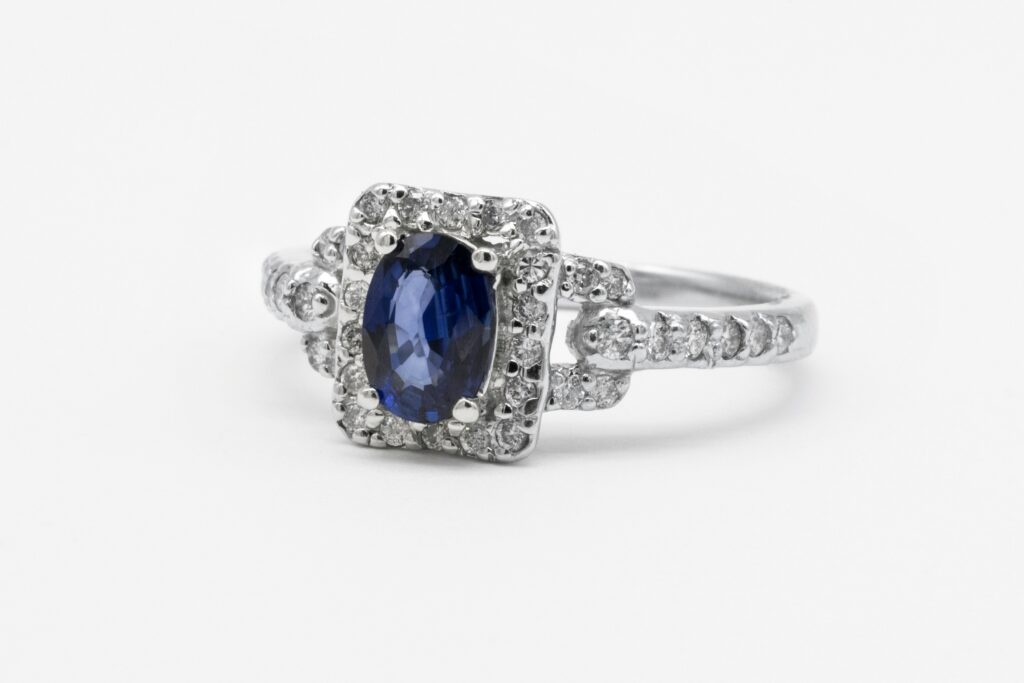
Popular as a symbol of loyalty and commitment (engagement rings)
Tip: Blue Sapphire is considered a “hot” stone in astrology — always consult an experienced astrologer before wearing it, as its effects can be intense.
Healing Properties
In traditional and alternative healing practices, Blue Sapphire is believed to support emotional balance, reduce stress, and encourage self-discipline. These are traditional beliefs passed down through cultures and are not scientifically proven. Anyone seeking treatment for physical or mental health conditions should consult a qualified medical professional.
Astrological Significance
In Vedic astrology, Blue Sapphire (Neelam) is the gemstone of Saturn (Shani), one of the most influential and karmic planets. It is often recommended during Shani Mahadasha, Sade Sati, or for individuals seeking discipline, career stability, and justice in their lives.
Tip: Because Shani’s energy is powerful, astrologers typically recommend a trial period of a few days before committing to wearing Blue Sapphire permanently.
Blue Sapphire Stone Birthstone
Blue Sapphire is the official birthstone for September and is also associated with the zodiac signs Virgo, Libra, and Capricorn/Aquarius (Saturn-ruled signs) in Vedic astrology.
Famous Blue Sapphire Sources Around the World
Kashmir, India – Historically the most prized source, now extremely rare
Sri Lanka (Ceylon) – Known for cornflower blue sapphires
Myanmar (Burma) – Rich, velvety blue stones
Madagascar – A major modern source
Australia – Darker, more affordable sapphires
Thailand – Heat-treated commercial-grade stones
Types of Blue Sapphire Stones
Kashmir Sapphire – Velvety cornflower blue, most valuable
Ceylon Sapphire – Bright, medium blue, highly transparent
Burmese Sapphire – Deep royal blue with strong saturation
Star Sapphire – Displays a rare asterism (star effect)
Padparadscha (related corundum) – Pink-orange, not blue, but same family
Natural vs Synthetic Blue Sapphire
Feature
Natural Blue Sapphire
Synthetic Blue Sapphire
Origin
Formed naturally in earth
Lab-created
Inclusions
Present (natural flaws)
Usually flawless
Price
High, varies by quality
Significantly lower
Value/Investment
Retains/gains value
Minimal resale value
Astrological Use
Preferred for rituals
Not considered effective
How to Identify a Real Blue Sapphire
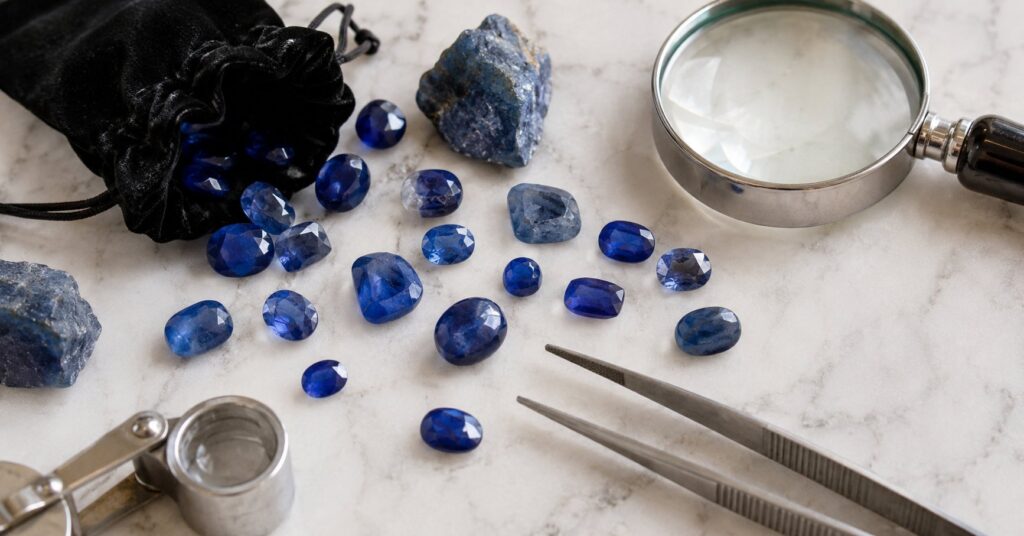
Check for natural inclusions under magnification (flawless stones are suspicious)
Perform a scratch test (hardness 9 — resists most scratches)
Get a certification from a recognized gemological lab
Observe color consistency — natural stones often show slight zoning
Buy only from certified, reputable dealers
Blue Sapphire Color Grades
Grade
Description
Royal Blue
Deep, vivid blue with high saturation — most valuable
Cornflower Blue
Medium blue with violet undertone — Ceylon specialty
Steel Blue
Grayish-blue, lower value
Light Blue
Pale saturation, more affordable
Blue Sapphire Quality (4Cs)
Factor
What to Look For
Color
Deep, vivid, evenly saturated blue
Clarity
Eye-clean with minimal visible inclusions
Cut
Well-proportioned for maximum brilliance
Carat Weight
Larger stones are exponentially more valuable
Blue Sapphire Price Guide
Quality
Approximate Price Range (per carat)
Commercial Grade (heated)
$50 – $300
Good Quality (natural, minor treatment)
$300 – $1,500
Fine Quality (untreated, strong color)
$1,500 – $5,000
Kashmir/Rare Grade
$5,000 – $25,000+
Prices vary based on market, certification, and source. Always verify with a certified gemologist before purchase.
How to Clean and Care for Blue Sapphire
Clean gently with warm water, mild soap, and a soft brush
Avoid harsh chemicals and ultrasonic cleaners for treated stones
Store separately from other jewelry to prevent scratches
Remove before swimming, exercising, or household chores
Get prongs checked periodically if set in a ring
Common FAQs
1. What is Blue Sapphire Stone (Neelam) used for? It’s worn primarily for its believed astrological benefits related to Saturn, as well as for jewelry.
2. Which planet does Blue Sapphire represent? Saturn (Shani) in Vedic astrology.
3. Who should wear Blue Sapphire? Traditionally recommended for those seeking Saturn’s blessings, though it should be worn only after astrological consultation.
4. Is Blue Sapphire the same as Neelam? Yes, Neelam is the Hindi/Urdu name for Blue Sapphire.
5. How can I tell if my Blue Sapphire is real? Through certification from a recognized gem lab, inclusion checks, and hardness testing.
6. What is the price of Blue Sapphire per carat? Ranges from $50 to over $20,000 depending on quality and origin.
7. Can Blue Sapphire be worn by everyone? No — its effects are considered strong, so an astrological consultation is recommended first.
8. What is a trial period for Blue Sapphire? A short period (3–7 days) of wearing the stone to observe its effects before committing long-term.
9. What finger should Blue Sapphire be worn on? Traditionally the middle finger of the working hand, though this varies by astrologer.
10. Is heated Blue Sapphire less valuable? Yes, unheated natural stones are rarer and more valuable than heat-treated ones.
11. What metal is best for setting Blue Sapphire? Silver or platinum are traditionally recommended in astrology; gold is also popular for jewelry.
12. Does Blue Sapphire scratch easily? No, it has a hardness of 9 on the Mohs scale, making it very durable.
13. What’s the difference between Ceylon and Kashmir sapphires? Kashmir sapphires have a rarer, velvety texture and are more valuable; Ceylon sapphires are brighter and more available.
14. Can Blue Sapphire be used in engagement rings? Yes, it’s a popular and durable choice for engagement rings.
15. How do I care for my Blue Sapphire jewelry? Clean gently, store separately, and avoid harsh chemicals or impacts.
Conclusion
“A genuine Blue Sapphire is valued not only for its stunning beauty but also for the trust, authenticity, and craftsmanship behind it.”
Blue Sapphire (Neelam) is more than just a beautiful gemstone — it’s a symbol of wisdom, discipline, and centuries-old tradition tied to the powerful planet Saturn. Whether you’re drawn to it for its astrological significance or its striking royal-blue beauty, understanding its properties, grades, and authenticity markers will help you make a confident, informed purchase.
Call-to-Action
Ready to find your perfect Blue Sapphire? Always buy from a certified gemologist and request lab certification before purchase — a genuine stone is an investment for a lifetime.